
You can remove most carpet stains using common, non-toxic ingredients you probably already have, and keep your carpet looking fresh without harsh chemicals. Use targeted natural methods—like vinegar, baking soda, and gentle soap—to lift stains safely and prevent them from setting.
This post shows practical, step-by-step DIY solutions and prevention tips so you can tackle spills quickly and avoid repeat problems. Follow simple techniques for different stain types and learn small habits that keep carpets cleaner longer.
Essential Natural Methods for Cleaning Carpet Stains
Act quickly, use absorbent blotting, and match simple homemade cleaners to the stain type. Vinegar, baking soda, mild dish soap, and hydrogen peroxide handle most spills; test hidden areas first.
Immediate Action and Blotting Techniques
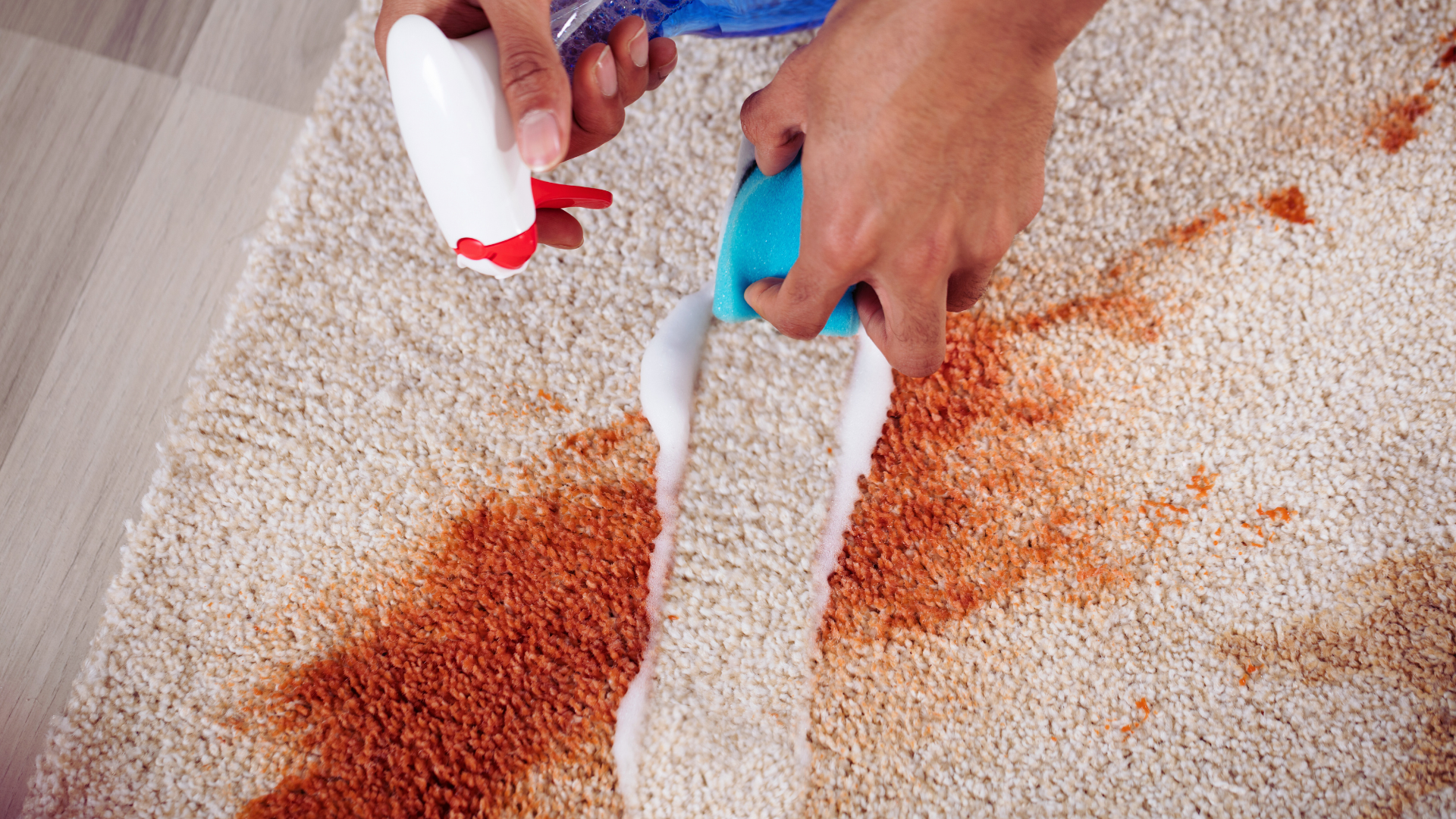
When a spill occurs, they should act within minutes to prevent soaking and dye transfer. Use a clean, white cloth or paper towels to blot—press gently from the outside toward the center to avoid spreading the carpet stain.
Avoid scrubbing; scrubbing pushes liquid deeper and can damage fibers. For thick or semi-solid messes, scoop with a spoon before blotting to remove excess without spreading.
Apply pressure in short intervals and replace the cloth as it absorbs moisture. If the stain is oily, sprinkle a thin layer of baking soda to absorb oil for 10–15 minutes, then vacuum before treating with a neutral cleaner. Always work from the edges inward and allow treated areas to air dry.
Homemade Solutions for Common Carpet Stains
They should match the cleaner to the stain: vinegar and water (1:1) lifts coffee, tea, and many food spills, while a mild dish soap solution (1 tsp dish soap to 1 cup warm water) handles grease and sauces. For stubborn organic or red wine stains, first blot, then apply the vinegar solution, blot again, and finish with a baking soda paste (baking soda + a small amount of water) left to dry and vacuumed.
Use hydrogen peroxide (3%) for bleach-safe carpets to treat blood and some wine stains; test first. Mix hydrogen peroxide with a drop of dish soap and apply sparingly, blotting after a few minutes. For dyes and ink, isopropyl alcohol on a cloth can lift stains; dab—don’t rub—and rinse with water afterward.
Removing Pet and Organic Stains Naturally
For urine, feces, and vomit, remove solids and blot liquids, then apply a solution of white vinegar and water (1:1) to neutralize odor-causing acids. After blotting, sprinkle baking soda over the damp area and let it sit until dry, then vacuum thoroughly to remove residue and residual odor.
Enzymatic action helps break down proteins; if available, use a natural enzymatic cleaner labeled for pet stains. For fresh blood, cold water plus a gentle dish soap works best; hot water sets the stain. For recurring pet odor, repeat vinegar treatment and allow full drying in sunlight or with a fan to discourage repeat marking.
DIY Solutions and Prevention for Cleaner Carpets
This section shows proven homemade cleaners, simple odor treatments, and practical steps to stop stains before they start. It focuses on specific recipes, application techniques, and daily habits that keep carpet fibers clean and smelling fresh.
How to Make and Apply DIY Carpet Cleaners
Mix 1 cup warm water, 1 cup white vinegar, and 1 teaspoon dish soap for a versatile carpet stain remover. Test on a hidden area first. Apply with a spray bottle, blot with a white cloth, then rinse by blotting with plain water to avoid residue.
For greasy or heavy stains, combine 2 parts baking soda with 1 part liquid dish soap into a paste. Work gently into the stain with a soft brush, let sit 15–30 minutes, then vacuum or blot excess and rinse. Use minimal scrubbing to prevent fiber damage.
For delicate or wool carpets, use a solution of 1 tablespoon castile soap in 1 cup cool water. Blot; do not saturate. For repeated cleaning, alternate vinegar-based spray and plain water rinses to keep carpet fibers from attracting more dirt.
Odor Neutralizing and Carpet Freshening Strategies
Sprinkle baking soda liberally on dry carpet to neutralize odors from pets, smoke, or cooking. Let it sit at least 30 minutes or overnight for stronger smells, then vacuum thoroughly. Baking soda acts as a carpet freshener without added fragrances.
Combine 1 cup of baking soda with 10–15 drops of essential oil (lavender or lemon) in a jar with holes for a scented carpet powder. Shake over carpet, wait 30 minutes, then vacuum. Use essential oils sparingly to avoid staining or irritating pets.
For localized odors, blot fresh spots with a 1:1 solution of white vinegar and water, then air-dry. For persistent pet odors, enzymatic cleaners (store-bought or labeled DIY enzyme kits) break down urine compounds more effectively than vinegar or baking soda.
Tips for Preventing Future Stains
Place absorbent mats at entrances and high-traffic zones to trap dirt and moisture before it reaches carpet fibers. Use a no-shoes policy or indoor slippers to reduce tracked-in soil that compacts into carpet.
Blot spills immediately with a white cloth—press, don’t rub—to lift liquid before it penetrates. Keep a small spray bottle of the vinegar-based DIY carpet cleaner and a roll of kitchen towels near high-risk areas for quick response.
Schedule weekly vacuuming with slow, overlapping passes and use a vacuum with adjustable height and strong suction to remove embedded dirt. For heavy-use rooms, have carpets professionally cleaned or use a rented carpet cleaner every 6–12 months to restore fiber loft and remove deep stains.

Leave a Reply