You’ll get a clear idea of what hardwood flooring will cost and why prices vary, so you can decide whether it fits your budget. Typically installed hardwood runs from about $6 to $15 per square foot for common options, with premium species and complex jobs costing $20+ per square foot.
They’ll explore material costs, labor, and hidden expenses like subfloor repair, finishes, and removal of old flooring, so surprises don’t blow the budget. The article breaks down installation scenarios, compares engineered versus solid wood, and explains which factors most affect price and long‑term value.
Hardwood Flooring Installation Costs
This section breaks down what drives the price: material selection, labor and regional differences, how room size and layout affect per-square-foot rates, and extra charges like old-floor removal and subfloor work. Readers will get specific price ranges, typical labor methods, and common add-on fees to estimate a realistic budget.
Material Costs and Types of Hardwood Flooring
Material choices create the largest variance in hardwood flooring cost. Solid hardwood runs about $3 to $10+ per sq ft for common species (oak, maple, hickory). Exotic species (teak, Brazilian cherry) cost $8 to $15+ per sq ft. Engineered hardwood typically costs $3.50 to $12 per sq ft and offers more stability in moist areas.
Finish and plank width change the price. Prefinished boards save installation time; unfinished boards add sanding/finishing costs ($1–$3 per sq ft). Wider and thicker planks cost more. Accessories—transitions, thresholds, and stair treads—add $1–$5+ per linear foot or item.
Bulk buying and clearance can lower material costs. Warranties and grade (select vs. rustic) also affect price and long-term value.
Labor Costs and Regional Price Variations
Labor often equals or exceeds material costs. Typical installation labor ranges from $3 to $8 per sq ft for nail- or staple-down methods, $4 to $10 per sq ft for glue-down, and $5 to $12+ per sq ft for floating installs with specialized underlayment. Full sand-and-finish installations add $2–$4 per sq ft.
Region matters: metropolitan markets like New York, San Francisco, and Seattle typically add 15–40% to national labor averages. Rural areas and smaller cities can be 10–25% lower. Demand, local union rates, and contractor experience create variability.
Get detailed written estimates showing labor breakdown: prep, installation method, trim work, and finish. Ask about travel or minimum-job fees that raise the final bill.
Room Size, Project Scope, and Price per Square Foot
Smaller rooms raise the per-square-foot cost because setup and travel time are spread over fewer feet. Typical pricing tiers: under 150 sq ft often adds $100–$300 minimums; 150–500 sq ft falls into standard per-sq-ft ranges; over 1,000 sq ft can drop to the low end of material and labor rates.
Complex layouts increase time and cost. Diagonal installations, patterned layouts (herringbone), many doorways, or curved walls add 10–50% to labor. Removing and reinstalling baseboards or matching existing flooring across rooms increases the scope.
Calculate cost using: (material cost per sq ft + labor cost per sq ft) × total sq ft, then add fixed fees. Always measure actual square footage and include a waste allowance of 5–10% for straight lay and 8–15% for diagonal or patterned installs.
Additional Expenses: Old Floor Removal and Subfloor Preparation
Old flooring removal typically costs $1.50 to $4 per sq ft for carpet or vinyl; hardwood or tile removal can run $2.50 to $6+ per sq ft. Disposal fees and hauling can add $50–$300, depending on volume and local landfill rates. Adhesive or tack strip removal may add labor.
Subfloor issues create unpredictable costs. Minor repairs (nail/screw down, leveling compound) often cost $0.50–$2 per sq ft. Major subfloor replacement or joist repair can add $3–$8+ per sq ft or a flat contractor fee. Moisture mitigation (vapor barrier, moisture testing) adds $0.50–$2 per sq ft and can be essential in basements.
Request a pre-install inspection and a written line-item quote for removal, subfloor prep, moisture control, and unforeseen repairs to avoid surprise charges.
Factors Affecting Hardwood Flooring Price and Value
Several practical choices determine cost and long-term value: species and grade, construction type, finish and installation pattern, plus durability and maintenance needs. Buyers should weigh the upfront price against the lifespan, maintenance frequency, and likely resale impact.
Wood Species, Grades, and Plank Size
Wood species drives raw material cost and appearance. Red oak and white oak are common, mid-priced choices with consistent grain; white ash and plain-sawn species offer similar affordability. Brazilian walnut (ipe/guatambu) sits at the high end for color and hardness, raising material and installation costs.
Grade and cut affect look and waste. Select-grade boards minimize knots and color variation, while common grades show more character and lower cost. Quarter-sawn and rift-sawn boards cost more than plain-sawn boards because of yield and stability, but show straighter grain and less cupping.
Plank width and length change installation time and visual scale. Wide planks (5″–8″+) look premium and reduce visible seams but cost more per board and may need more acclimation. Narrow strips are cheaper but create more seams and longer installation labor.
Solid vs. Engineered Hardwood and Alternative Flooring Options
Solid hardwood provides thick sanding potential and a long lifespan where humidity is stable. It usually requires nail-down installation and fits well on joists or plywood subfloors. Solid hardwood increases resale value in many markets when installed correctly.
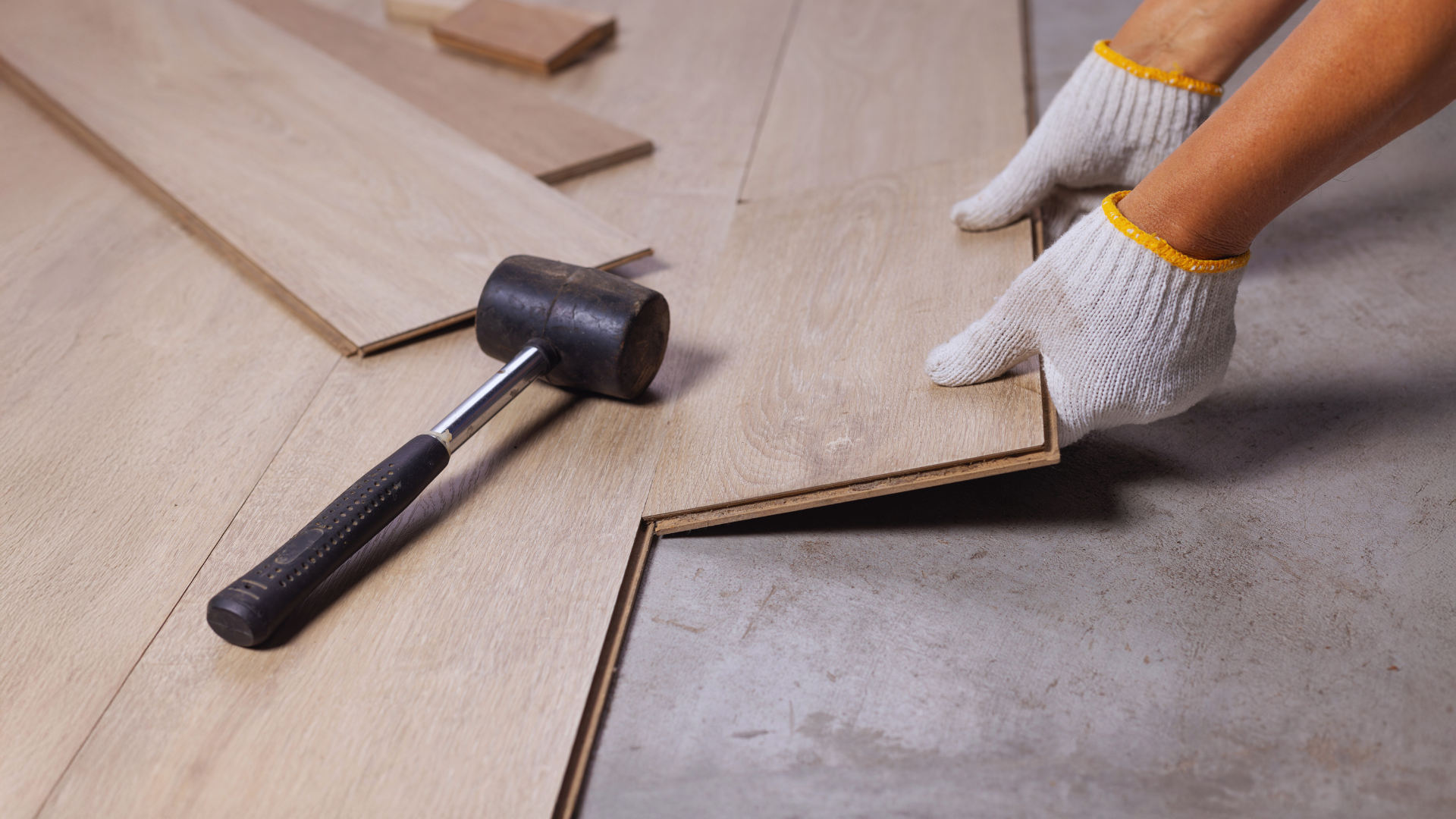
Engineered wood has a stacked veneer core that resists moisture and suits below-grade or radiant-heat installations. It costs less at wide widths and installs faster with glue, click, or float methods. High-quality engineered planks with thick wear layers approach solid hardwood in refinishing potential.
Alternative options like prefinished hardwood, parquet flooring, parquet-style tiles, laminate flooring, vinyl plank, and ceramic tile offer lower upfront cost or greater water resistance. Prefinished hardwood reduces onsite finish labor and curing time. Vinyl plank and laminate mimic wood at a lower cost but usually add less resale value than real wood.
Finishes, Patterns, and Floor Refinishing
Finish choice affects cost, appearance, and maintenance. Polyurethane finish (water- or oil-based) is common; it protects from abrasion and moisture. Hard-wax oil and UV-cured factory finishes on prefinished hardwood provide faster occupancy and consistent coating.
Patterns and layout increase labor and material waste. Herringbone, chevron, and parquet patterns raise installation time and require more precise subfloor preparation. Straight plank installations cost less and waste less material.
Floor refinishing restores surface wear for solid and thicker engineered floors. Refinishing frequency depends on finish and traffic: polyurethane surfaces need buffing or a full sand-and-refinish every 8–20 years, depending on wear. Refinishing adds value by extending lifespan and updating color without full replacement.
Durability, Maintenance, and Impact on Resale Value
Durability depends on species, Janka hardness, finish type, and installation quality. Brazilian walnut and white oak rank high for wear resistance; red oak performs well in most homes. Softer species show dents sooner and may have lower perceived longevity.
Maintenance is predictable: sweep or vacuum regularly, use recommended cleaners, and keep humidity between 30–50% to reduce cupping and gaps. Area rugs and felt pads prevent concentrated wear. Spill cleanup and prompt repair of scratches preserve finish and long-term value.
Resale value increases when buyers perceive longevity and low upkeep. Solid hardwood and high-quality engineered wood generally add positive resale impact, especially when matching neighborhood standards. Low-cost alternatives such as laminate or vinyl plank reduce initial expense but rarely match hardwood’s premium effect on appraisal and buyer preference.

Leave a Reply